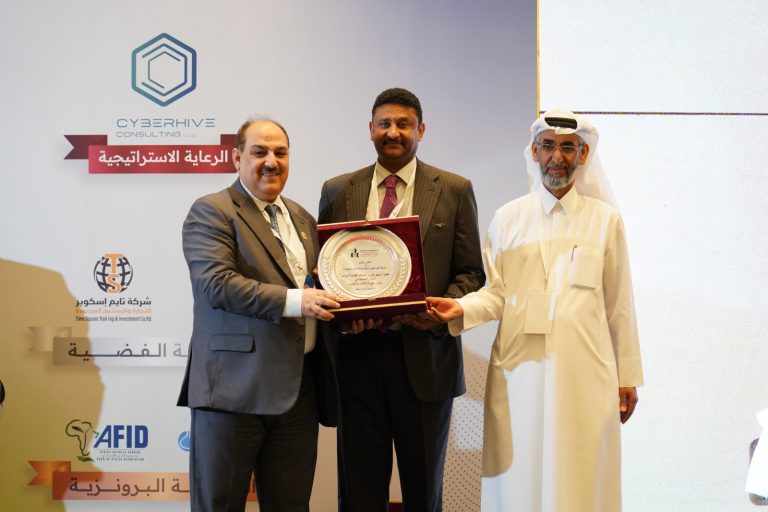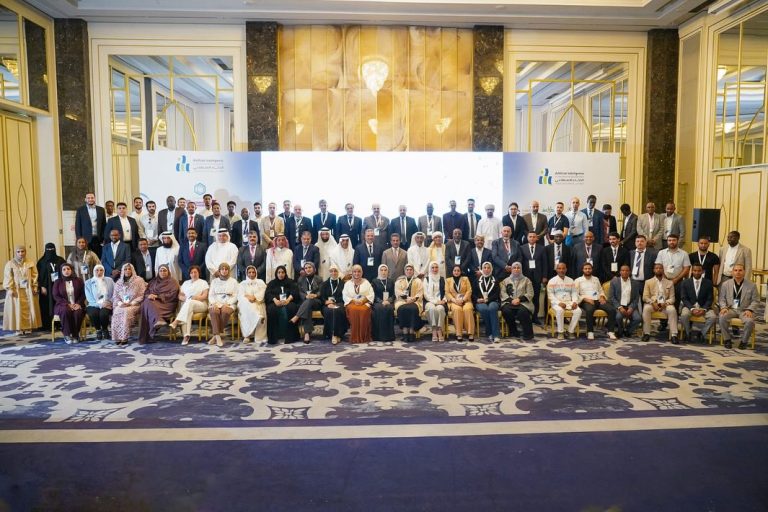
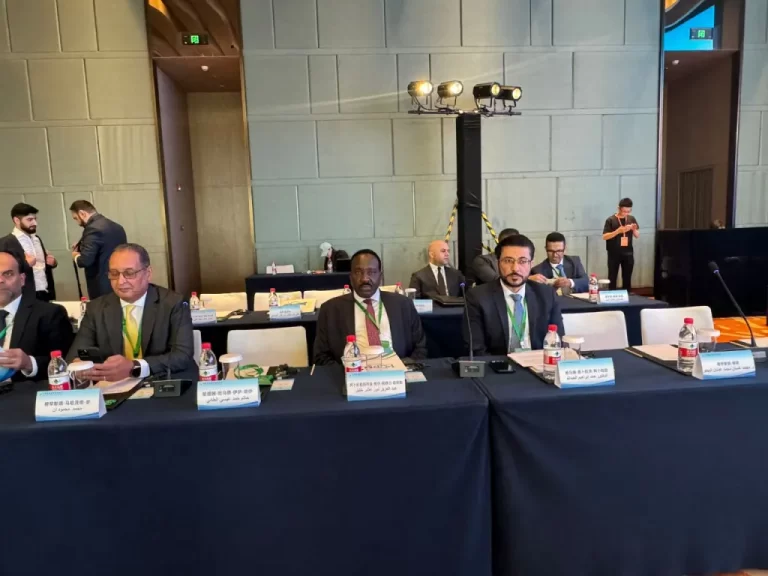


The ICPSS held a hearing session in Cairo as part of the Sudan Transition Visions Project, during which economic expert Dr. Adel Abdel Aziz Al-Faki
presented a paper on the opportunities and challenges of reconstruction in Sudan.
Main Points of the Paper
Concept of Reconstruction:
A comprehensive process aimed at moving society from the aftermath of war to stability through political, economic, and cultural rebuilding.
Origins of the Concept:
First applied after the American Civil War, and later developed in global reconstruction experiences such as the Marshall Plan, the rebuilding of Beirut, the Suez Canal cities, Iraq, and Libya.
Description of the War in Sudan:
Defined as an armed rebellion by the Al-Daglo militias, which led to insecurity, displacement, killings, sexual violence, and the rise of an informal economy based on looting, extortion, and black-market activities.
Losses:
Significant human, material, and economic devastation, estimated at around 90 billion USD.
Challenges and Opportunities
Challenges:
Lack of security, insufficient financing, and difficulties in implementing reconstruction plans.
Opportunities:
Urban and non-urban entry points for rebuilding.
Stages of Reconstruction
- Initial Response: Disarmament, Demobilization, and Reintegration (DDR).
- Transitional Phase: Rebuilding infrastructure and facilities, and developing institutional and human capacities.
Reconstruction Stakeholders
Government – Local communities – International community.
Funding
Internal: Government and private sector.
External: Donors and international funds.
Proposed Partnerships
Egypt is considered the closest and most suitable strategic partner, alongside recommended partnerships with major countries such as Saudi Arabia, China, Russia, and others.
Key Recommendations
- Appointment of a civilian Prime Minister and a technocratic government.
- Establishment of the Higher Council for Strategic Planning and Foreign Relations.
- Encouraging investment partnerships with Egypt, Saudi Arabia, and China.
- Developing legal frameworks, creating free zones, and facilitating banking operations.
- Strengthening the digital economy and knowledge-based economy.
- Supporting military capabilities as part of the reconstruction framework.
Interventions from Participants
Speakers emphasized:
- The importance of the current phase.
- Modernizing political thinking.
- Reforming the administrative system and engaging international expert houses.
- Activating international agreements, especially with China.
- Building a knowledge-based and digital economy.
- Enhancing defense capabilities within the reconstruction process.