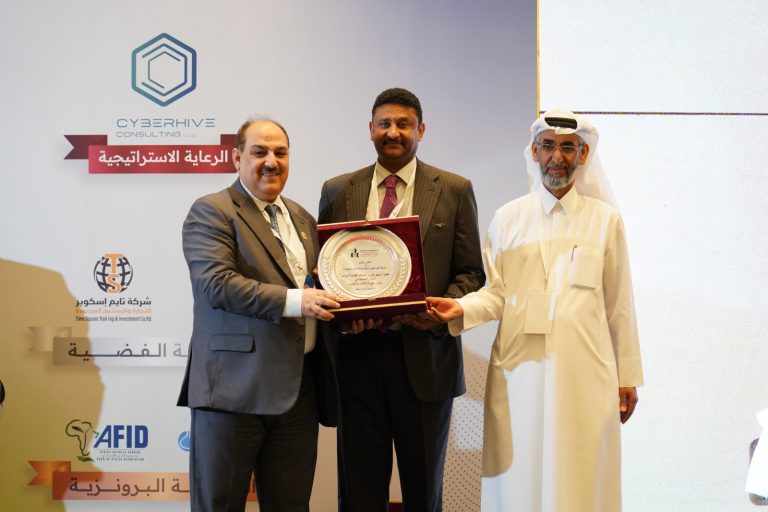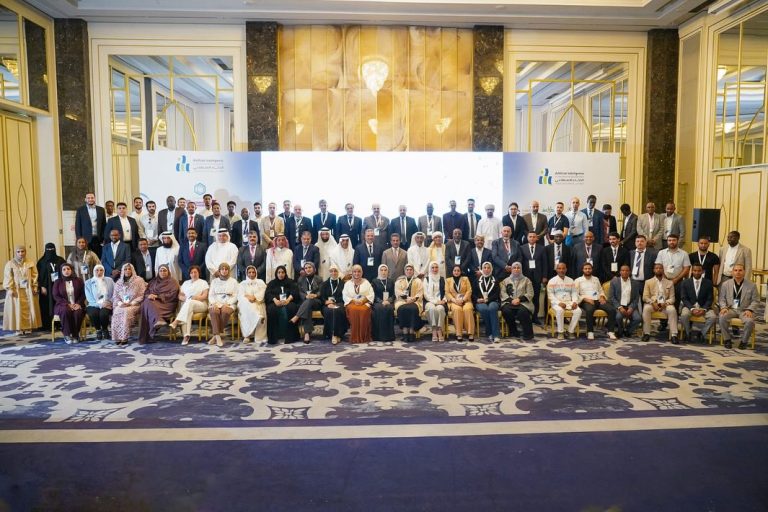
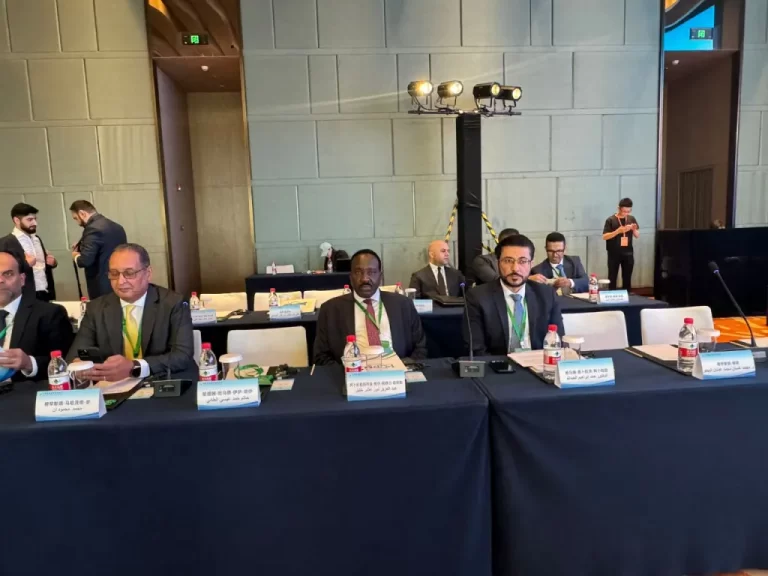

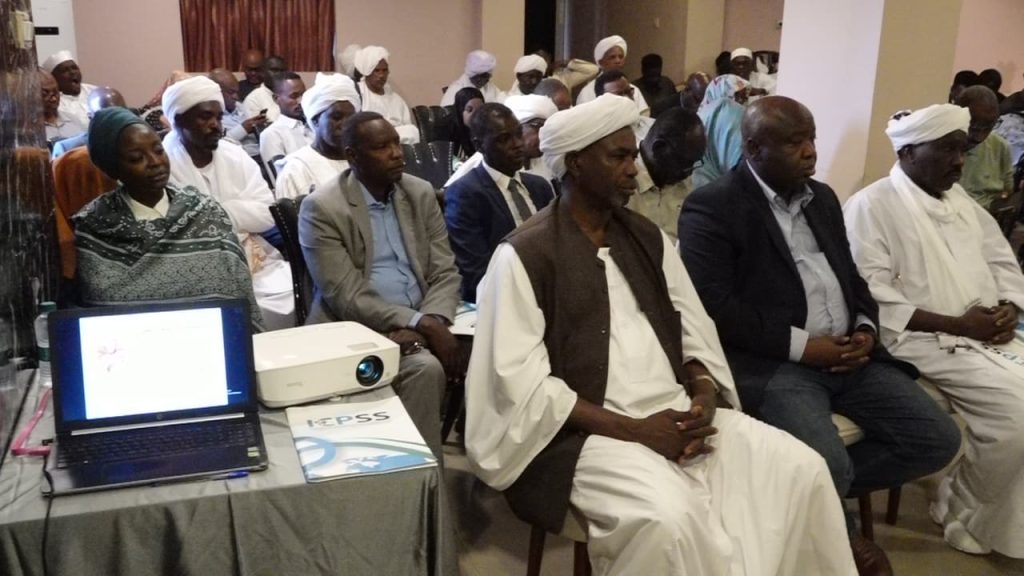
As part of its Sudan Transition Visions Program, the International Center for Political and Strategic Studies (ICPSS) held its second workshop on the social and psychological effects of war in Sudan.
Within the framework of the Sudan Transition Visions Program, the International Center for Political and Strategic Studies (ICPSS) in Port Sudan organized its second workshop on the social and psychological effects of war in Sudan. The workshop brought together a number of experts and specialists in the fields of sociology and psychology to explore solutions to this pressing issue.
Abdul Aziz Ashr, Director of the Center, stated that the war exposed serious imbalances in community security, particularly in areas attacked by militias. These areas witnessed grave violations, including killing, looting, displacement, rape, torture, arbitrary detention, and other abuses—factors that fuel tendencies toward revenge and retaliation. He also warned of a real risk of increased tribalism, especially in light of the complex conditions created by the war, such as poverty and displacement.
Ashr noted that the devastating impact of the war on Sudanese society prompted the Center’s researchers to study post-war repercussions in order to diagnose the crisis and propose solutions. He explained that the Center, established in 2022, focuses on future studies (foresight studies) related to Sudan, seeking knowledge and truth, supporting government institutions in addressing challenges, and providing accurate strategic analyses and reliable information to enhance political and social understanding and to support decision-makers in achieving sustainable development and regional stability.
In a press statement, he emphasized that the war has produced clear psychological and social consequences as a result of the atrocities committed by the Rapid Support Forces against the Sudanese people, adding that the war remains one of the most critical challenges facing Sudanese society.
Ashr added that the workshop aimed to shed light on this vital issue with the participation of a select group of experts and specialists, as well as government officials responsible for related sectors. He noted that the workshop forms part of the Sudan Transition Visions Program adopted by the Center.
He further explained that the workshop discussed several research papers, expressing hope that its outcomes would help specialists identify effective solutions to the country’s core challenges. The workshop featured two main papers:
- Dr. Lubna Bint Makli presented a paper on the psychological effects and disorders of war and the best pathways to recovery, addressing war-related violations and ways to mitigate their repercussions.
- Dr. Hassan Mahmoud from the Faculty of Law at Red Sea University presented a paper on the psychological and social effects of the war in Sudan.
The workshop concluded with a set of recommendations emphasizing the importance of establishing social support groups for affected populations, designing trauma-recovery and sports programs through the Ministry of Youth and Sports, organizing public social activities, raising community awareness about accessing assistance, and creating direct intervention mechanisms.
Participants also called for conducting an accurate census within health programs, expanding mental health services, clearly defining hate speech, strengthening community peace initiatives, promoting awareness of rights, ensuring justice for victims, holding perpetrators accountable, and presenting a comprehensive vision for the war that leads to inclusive national reconciliation.
The representative of the Child Welfare Council highlighted the need to address the cases of approximately 24,000 children affected by the war, cautioning against stereotyping them or holding them accountable for their families’ actions. He stressed the importance of preventing ignorance and misinformation, noting that many children were historically marginalized through lack of education—an issue that has resurfaced in the current reality and contributed to their involvement in armed conflict. He also drew attention to the growing number of children left without support as a result of sexual violence and rape, warning that neglecting them would risk raising a deeply traumatized generation. He called for placing these children within family-based care systems and addressing the needs of children with disabilities.