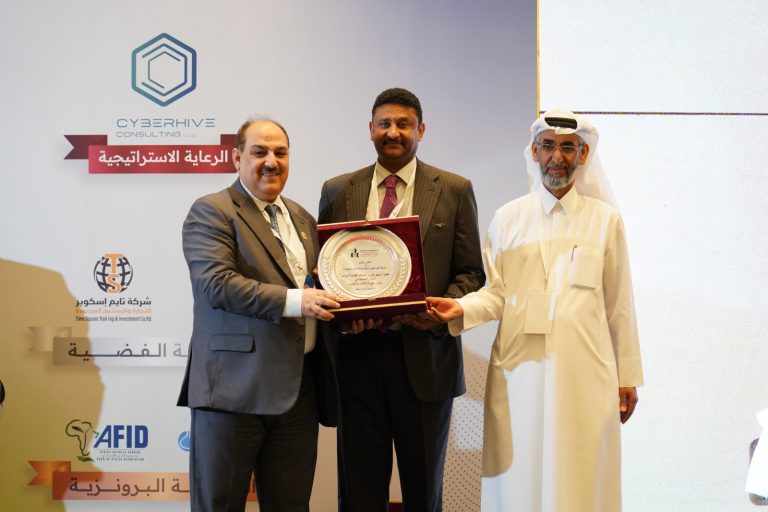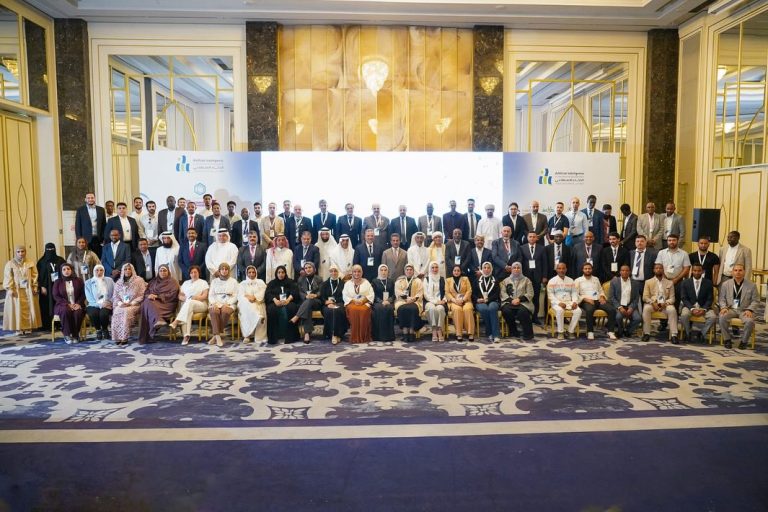
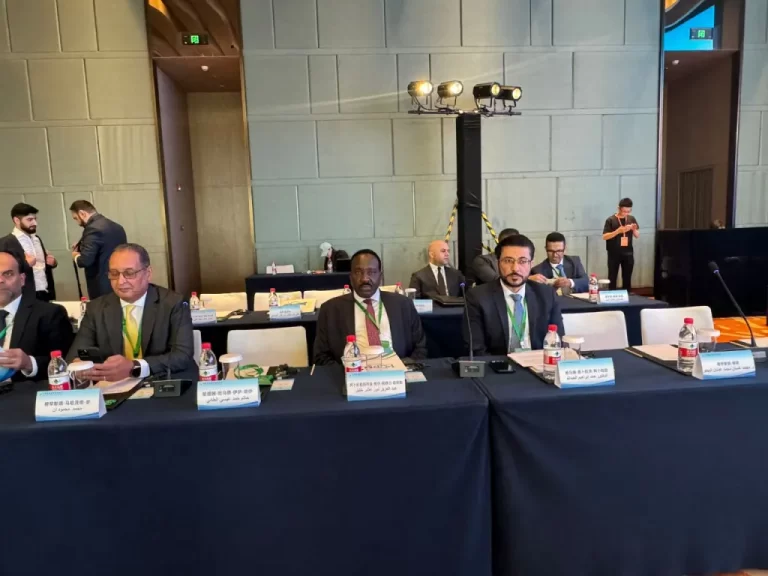

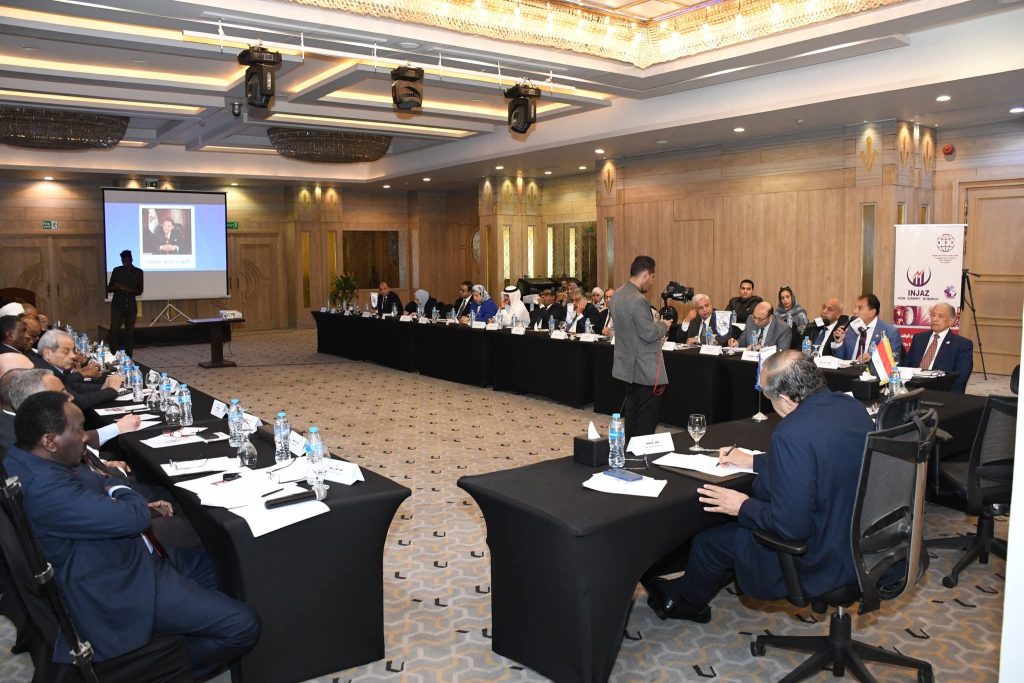
On November 26, 2025, Cairo hosted a roundtable discussion on the situation in Sudan in light of internal, regional, and international developments. The event was organized by the International Center for Political and Strategic Studies (ICPSS) in cooperation with the Egyptian Center for Strategic Studies and Values Development, and brought together a select group of diplomats, experts, researchers, and media professionals from both countries.
Key Sessions and Interventions
The seminar opened with remarks emphasizing the need to adopt practical approaches to understanding the Sudanese crisis and addressing its complex repercussions. Speakers reviewed the most prominent issues on the agenda, ranging from national unity and the consequences of the war, to the role of regional and international actors, and the future of military and security institutions.
Participants also discussed humanitarian aspects, the challenges facing relief efforts and the return of displaced persons, the prospects for building a comprehensive peace process, the structural problems confronting the state in the context of war, macroeconomic issues and reconstruction, as well as matters related to justice and transitional justice.
General Trends and Recommendations
The discussions reflected a broad consensus on the need to address the complexities of the conflict at the political, humanitarian, and security levels, and underscored the importance of Egypt’s role in supporting stability. Participants also called for strengthening media and research efforts, systematically monitoring published content on Sudan, and launching joint initiatives that contribute to building a coherent vision for peace and reconstruction.
Participants noted that the crisis has also extended to the realm of narratives and attempts to shape public opinion at both regional and international levels. This necessitates reinforcing the accurate narrative that frames the war as a rebellion by the Rapid Support Forces against the Sudanese state.
Experts highlighted that correcting misconceptions surrounding the war is a necessary step toward restoring balance to the overall image, particularly following the exposure of the impact of organized media campaigns, including those related to the Emirati project after the events in El Fasher.
The experts further emphasized that reconstruction represents a fundamental pillar of any sustainable solution, requiring broad partnerships among Sudanese, Egyptian, Arab, and international institutions, alongside an enhanced role for the private sector and civil society organizations.
Closing of the Event
The symposium concluded by stressing the growing role of think tanks in understanding the Sudanese context and in providing the public and decision-makers with in-depth strategic analyses that help shape realistic pathways toward resolving the crisis and enhancing prospects for peace and stability in Sudan and the wider region. It also emphasized the importance of building on the symposium’s outcomes and utilizing the ideas and recommendations presented to support efforts aimed at ending the war and restoring stability and unity in Sudan.