
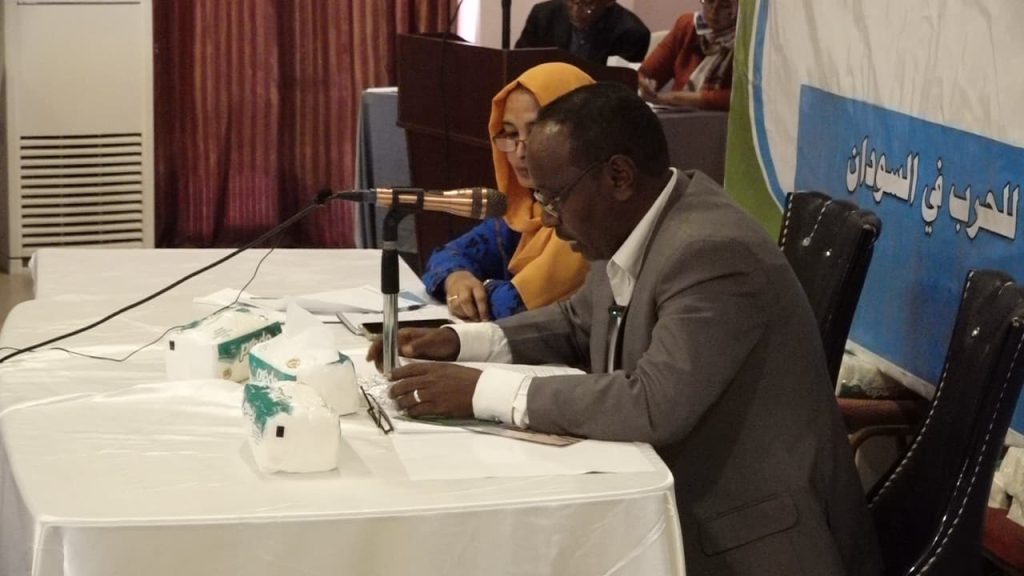
Psychological Effects and Disorders Resulting from
Wars: Best Pathways to Recovery
Prepared and Presented by:
Psychological Counsellor: Lubna Ali Mohamed Abdelrahman – Bet Makli
The psychological consequences of wars and conflicts are among the most complex and profound challenges faced by individuals. Their effects often extend long after active hostilities end and may accompany survivors throughout their lives. No one is spared from these psychological repercussions; they affect children and adolescents just as they affect adults, influencing daily behaviour , relationships, and the ability to adapt.
Despite the severity of these impacts, there are therapeutic approaches and methods that can alleviate the psychological burden and support survivors—especially those who escaped physical harm but continue to carry invisible emotional wounds.
This paper examines the major psychological disorders caused by war, with particular attention to their deep effects on children and adolescents, who are the most vulnerable group. It also highlights a set of guidelines and mechanisms that can assist in psychological recovery and gradual reintegration into normal life. War does not only bring material destruction and the loss of security; it also penetrates deeply into the human psyche, leaving emotional scars that may be more severe than physical injuries. Anyone who has faced constant threats, forced displacement, the loss of family members, or physical disability cannot remain untouched by the psychological consequences of war, which inevitably affect the human spirit.